

 Contact Us

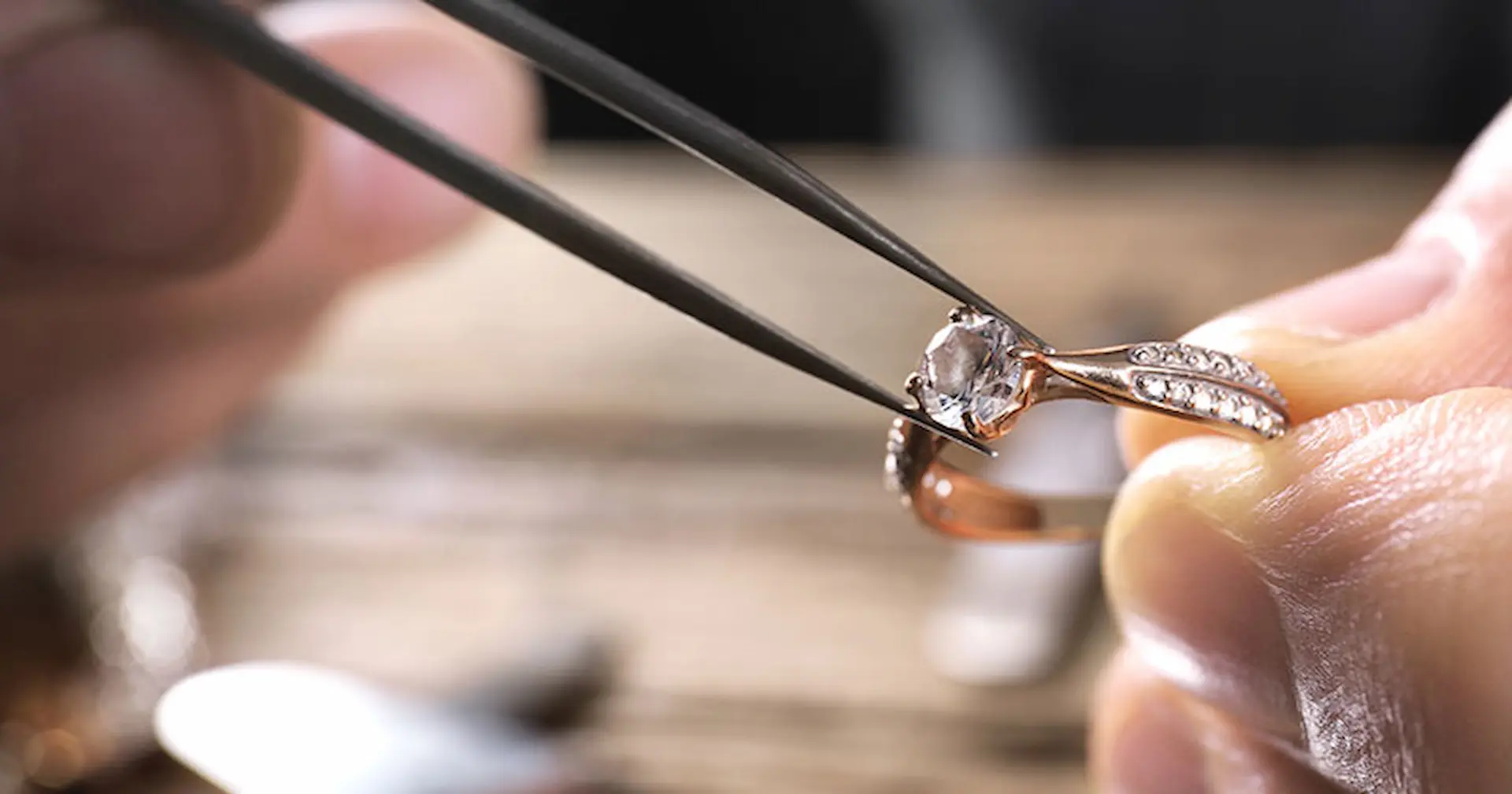
Jewelry authentication is an essential process for verifying the authenticity and value of a piece of jewelry. This process ensures that the materials used (such as gold, silver, diamonds, and gemstones) are what they claim to be and that they are of the quality they claim. Authentication methods vary depending on the type of jewelry and the materials used, and include a combination of visual inspection and chemical and physical tests, as follows:
1. Visual inspection and verification of hallmarks:
- Hallmarks: This is the most important authentication mark. A hallmark is a small stamp engraved on a piece of jewelry that indicates the purity of the metal (such as 18K or 750 for gold), the type of metal (such as 925 for sterling silver), and sometimes the country of origin or jeweler.
- Maker’s mark: A unique symbol or lettering that represents the jeweler or manufacturer.
- Quality and craftsmanship: The piece is carefully inspected to ensure the quality of the workmanship, such as the absence of rough edges, loose stones, or design flaws.
- Diamonds and gemstones: Gemstones are examined for their color, clarity, cut, and carat weight.
2. Simple Home Tests:
- Magnet Test: Pure gold and silver are not attracted to magnets. If a piece is strongly attracted, it is likely not pure precious metal.
- Scratch Test: Gently rub the jewelry on an unpolished ceramic surface. If it leaves a gold mark, it is likely real gold. If it leaves a black mark, it is likely fake.
- Density Test: This depends on the density of the metal. Real gold has a high density, so it should be immersed in water immediately.
3. Professional Tests:
- Acid Test: Jewelers use special acids to accurately determine the purity of the metal. A drop of acid is placed on an inconspicuous area of the jewelry and the reaction is monitored.
- Spectrometer: This is a sophisticated device that uses X-rays to accurately analyze the composition of the metal without damaging the piece.
- Gem Certification: For diamonds and gemstones, certificates are issued by accredited laboratories (such as the GIA or IGI) that confirm the quality of the stone and its characteristics (cut, color, clarity, and carat weight).
4. Documents and documentation:
- Certificate of Authenticity: A document issued by the seller or jeweler confirming the authenticity and details of the piece.
- Proof of Purchase: Such as an invoice or receipt, this is an important document proving your ownership of the piece.
- Jewelry Appraisal: An official appraisal issued by a certified jeweler that determines the exact value of the piece.
Jewelry certificate of authenticity
A jewelry certificate of authenticity is an official document issued by an accredited body (such as a gemological laboratory or reputable jeweler) to confirm the quality and authenticity of a piece of jewelry. This certificate acts as an “identification card” for the piece, providing assurance to both the seller and the buyer. Certificate details vary depending on the issuing body and the type of jewelry, but typically include the following information:
- Description of the item: Type of jewelry (ring, necklace, bracelet), design, and total weight.
- Metal details: Type of metal (gold, platinum, silver), and clarity (e.g., 18 karat, 24 karat).
- Type: Type of stone (e.g., diamond, ruby, emerald).
- Carat: The weight of the stone in carats.
- Quality: The four Cs of diamond quality (color, clarity, cut, carat).
- A unique serial number: For the piece or the certificate itself for easy tracking.
- Name and signature of the issuing body: To confirm the authenticity of the certificate.
- Date of issue.
The Importance of a Jewelry Certificate of Authenticity
- Ensuring quality and authenticity: The certificate confirms that the jewelry piece is made of real materials (gold, silver, platinum) and not merely plated or imitated. It also identifies the quality and purity of the gemstones used.
- Building trust: It gives the buyer peace of mind and confidence in the purchase process, especially when it comes to expensive jewelry.
- Increasing resale value: Having a reliable certificate of authenticity can significantly increase the resale value of jewelry, proving to the new buyer that it is a genuine investment.
- Facilitating insurance: The certificate is an essential document when insuring jewelry against loss or damage, as it accurately determines its value.
How to authenticate gold jewelry?
To verify gold jewelry authenticity, you can follow several methods that vary in accuracy and risk, from a simple visual inspection to specialized chemical tests. Here are the most important methods:
1. Visual Inspection and Hallmark
- Hallmark: Most authentic gold jewelry has an engraved hallmark. This hallmark is called a “hallmark” and indicates the purity (karat) of the gold.
- Numbers: Numbers (such as 750 or 585) often identify the karat.
- Other Symbols: You may also find symbols or logos that identify the manufacturer or the country where it was manufactured.
- Magnifying Glass: Use a magnifying glass to carefully examine the hallmark, making sure it is clearly engraved and not just a surface print.
2. Simple Home Tests
- Float Test: Gold is a very dense metal. If you place an authentic gold piece in a glass of water, it will immediately sink to the bottom. If it floats or sinks slowly, it is likely fake or plated.
- Magnet Test: Gold is not a magnetic metal. Place a strong magnet near the piece. If it is attracted to it, it likely contains other metals, such as iron or nickel, and is not pure gold.
- Scratch Test: Gently rub the jewelry against an uncoated ceramic piece. Real gold will leave a gold line, while plated or fake gold will leave a black or gray line. (Be careful when using this method, as it may scratch the piece.)
- Weight and Density Test: You can calculate the density of the piece by weighing it and then measuring the volume of displaced water. Pure gold has a high density (about 19.3 g/cm³). If the value is significantly lower, it is likely not pure gold.
3. Specialized Chemical Tests
- Acid (Nitric Acid) Test: This method is more accurate but can be dangerous and requires extreme caution.
- A small drop of nitric acid is placed on an inconspicuous part of the piece.
- Real Gold: It will not react with the acid or change color.
- Other metals or gold-plated gold: The color may change to green or black, or foam may appear, indicating the presence of other metals such as copper or nickel.
4. Seek Experts and Trusted Sources
- Professional Jeweler: The best way to verify the authenticity of gold is to take the piece to a professional jeweler. They have advanced tools and technologies, such as X-ray fluorescence (XRF), that can accurately analyze the chemical composition of the piece without damaging it.
- Buy from a Trusted Source: To avoid suspicion, always purchase gold jewelry from trusted and certified jewelry stores and shops, and ask for an official invoice and certificate of authenticity for the piece.
Where to get jewelry authenticated?
To find reliable jewelry, you can rely on several options, each with its own advantages:
1. Well-known stores and brands:
- Global brands such as L’azurde, Al Amari, and other brands with a strong reputation and history in the jewelry industry. These brands often provide certificates of authenticity for the quality of the jewelry and gemstones, ensuring the authenticity of the piece.
- Trusted local jewelry stores: There are often family-run stores or stores with a good reputation in your area. You can ask about these stores or search for them in business directories.
2. Gold Souks (Gold Markets):
- Many Arab cities have areas dedicated to selling jewelry, known as “gold souks” or “gold markets.” These markets bring together a large number of merchants and jewelers, allowing you to compare prices and designs.
- Be sure to deal with well-known merchants who have a good reputation and a long history in the market.
3. Trusted websites:
- If you prefer to buy online, make sure the website is reliable and well-known, such as the websites of major brands that have physical branches.
- Always check shipping, return, and warranty policies before purchasing.
- Some websites offer post-purchase jewelry inspection or offer electronic certificates of authenticity.
4. Tips for ensuring the authenticity of jewelry:
- Jewelry authentication: Always request a certificate of jewelry authentication that certifies the gold’s karat and purity (in the case of gold), and the characteristics of gemstones (such as diamonds), including carat, clarity, color, and cut (4Cs).
- Engraved hallmarks: Look for stamps and engraved hallmarks on the jewelry, which indicate the karat of the gold or precious metal (e.g., 18K or 21K gold).
- Visual inspection: Examine the piece carefully, especially the edges and corners, to ensure quality workmanship.
- Expert consultation: Don’t hesitate to seek assistance from a professional jeweler or trusted jeweler who can inspect the piece using specialized tools.
- Magnets: Magnets can be used as a quick method of verification, as pure gold does not react with magnets.
How to spot quality jewelry online?
Buying jewelry online can be fun and convenient, but it requires caution and a few steps to ensure you’re getting a piece of high quality and true value. Here’s a comprehensive guide to help you do just that:
1. Look for trusted and reputable stores.
- Ratings and Reviews: Start by looking for stores with high ratings and reviews from previous customers. Read these reviews carefully to understand other people’s experiences with product quality, customer service, and return policies.
- Secure Website: Make sure the site you’re shopping from is secure. Look for the padlock (HTTPS) symbol in the address bar, indicating that the site encrypts your personal and financial data.
- Contact Information: The site should provide clear contact information, such as a physical address, phone number, and/or email address for customer service. This shows that the store is legitimate and transparent.
- Clear Policies: Read the store’s policies carefully, especially returns, exchanges, and warranty policies. The store should have a flexible and easy return policy if you’re not satisfied with the product.
2. Understanding the Properties of Jewelry
In the following lines, we shed light on understanding the properties of jewelry types:
Gold:
The purity of gold is measured in karats:
- 24K: 99.9% pure gold, but it is very soft and not used in everyday jewelry.
- 22K: Contains 91.6% gold, common in some countries but softer than 18K.
- 18K: Contains 75% gold, most commonly used in high-quality jewelry.
- 14K: Contains 58.5% gold, a durable option suitable for everyday wear.
- Hallmarks: Look for a hallmark or hallmark on jewelry, which indicates the purity of the metal (such as 18K or 750 for gold).
Diamonds:
Diamonds are evaluated using the “4Cs” system:
- Carat: refers to the weight of the diamond, not its size.
- Cut: determines how well the diamond interacts with light and produces brilliance. A good cut is the most important factor in determining a diamond’s beauty.
- Color: A diamond’s color is rated on a scale from D (colorless) to Z (colorful). The closer a diamond is to D, the more expensive it is.
- Clarity: Refers to the presence of internal or external flaws or inclusions. The purer a diamond, the higher its value.
Type of Manufacturing:
- Handmade jewelry: Often of high quality and fine detail.
- Mass-produced jewelry: Quality can vary, so it’s important to check its details.
3. Look for Certifications and Warranties
- Certificates of Authenticity: Trusted stores should provide certificates of authenticity for jewelry, especially those set with diamonds or gemstones. These certificates are issued by independent, internationally recognized laboratories (such as GIA) and guarantee the quality and authenticity of the stone.
- Warranty: Check for a warranty on the product, such as a warranty on raw materials or against manufacturing defects.
4. Examine Product Images and Description
- High-quality images: The store should display clear, high-resolution images of the jewelry from multiple angles. Look for zoomed-in images to examine fine details, such as the mounting method and surface smoothness.
- Detailed Description: The description should be clear and detailed, including all the important information:
- Metal type and purity (e.g., 18-karat white gold).
- Gemstone details (carat weight, color, clarity, cut).
- Total weight of the piece.
- Dimensions (length, width).
- Any additional information about the design or manufacturing method.
5. Compare Prices
- Don’t rush into bargains: If the price is too low compared to similar jewelry in other stores, it may be an indication that the piece is not authentic or of low quality.
- Compare Prices Across Multiple Websites: Compare prices between trusted stores to understand the fair price range for the item you are interested in.
6. After Purchase and Receipt
- Invoice: Always keep the detailed invoice that details all the item’s specifications. Inspection: Once you receive the piece, inspect it carefully. Make sure it exactly matches the description and photos you saw on the website.
- Consultation: If you have any doubts about the authenticity of the piece, you can consult a professional jewelry expert for an evaluation.
Jewelry Authentication vs. Jewelry Appraisal: What’s the Difference?
Jewelry authentication and jewelry appraisal are two different processes that serve different purposes:
Jewelry Authentication
- Objective: To determine whether a piece of jewelry is authentic and genuine, not a fake or imitation.
- Focus: To check the materials used (such as the type of metal and gemstones), hallmarks, certificates of authenticity (if applicable), craftsmanship, and any other indications of the piece’s origin and maker.
- Result: A confirmation or report is issued stating whether the jewelry is authentic and matches its purported status. This typically does not involve assigning a monetary value.
Jewelry Appraisal
- Objective: To determine the monetary value of a piece of jewelry in a specific market and at a specific time.
- Result: A formal appraisal report is issued detailing the characteristics of the jewelry and providing an estimate of its monetary value.
DIY Jewelry Authentication: Basic Checks You Can Do at Home
Here are some basic tests you can perform at home to Jewelry Authentication:
- Gold: Look for numbers like “999” (pure 24-karat gold), “916” (22-karat gold), “750” (18-karat gold), “585” (14-karat gold), or marks like “GP” (gold-plated) or “GF” (gold-filled).
- Silver: Look for marks like “925” (sterling silver), “STERLING,” or “FINE SILVER.” You may also find other marks indicating higher purity.
- Platinum: Look for marks like “PT950,” “PLAT,” or “950.”
- Magnet Test: Pure gold, silver, and platinum are not magnetic. If jewelry is attracted to a strong magnet, it is likely not made of these pure precious metals. (Note that some clasps may contain small magnetic fragments.)
- Density Test (for unstudded gold jewelry): Gold is a dense metal. You can compare the weight of the jewelry to another known piece of gold of approximately the same size. If the suspected piece is much lighter, it may not be solid gold. (This test is not very accurate and requires some knowledge.)
- Scratch Test on an Uncoated Ceramic Plate (for gold jewelry): Gently rub the gold piece on an uncoated ceramic plate. Real gold should leave a gold mark. If it leaves a black mark, it is likely not solid gold. (Test in an inconspicuous area to avoid damaging the jewelry.)
- Water Test (for gold jewelry): Place the gold piece in a cup of water. It should sink quickly because gold is dense. If it floats, it is likely not solid gold or is hollow.
- Acid Test (requires care and caution): Home acid testing kits are available for gold and silver. Apply a small drop of special acid to an inconspicuous area of the jewelry. The acid reaction will indicate the karat of the gold or whether it is real silver. Be very careful when using acids and follow the instructions carefully.
How the Pros Authenticate Jewelry?
Professionals use a variety of methods and tools to Jewelry Authentication, ensuring its authenticity, quality, and value. Here are some of the main methods they use:
- Logos and trademarks: They look for logos of well-known designers or brands, and check for consistency in font, size, placement, and the overall quality of the engraving.
- Hallmarks: They check for hallmarks that indicate the metal’s karat (such as 18K or 925), the piece’s provenance, and sometimes its date of manufacture. They compare these hallmarks to reference databases to ensure their authenticity.
- Craft quality: They examine the precision of the workmanship, the smoothness of the links, the setting of the stones, and the overall finish of the piece. Authentic jewelry often exhibits a high level of craftsmanship.
- Metal condition: They study the color, texture, and signs of wear. For example, an authentic plated piece should retain its plating quality over time. They may conduct chemical tests to detect the underlying metal.
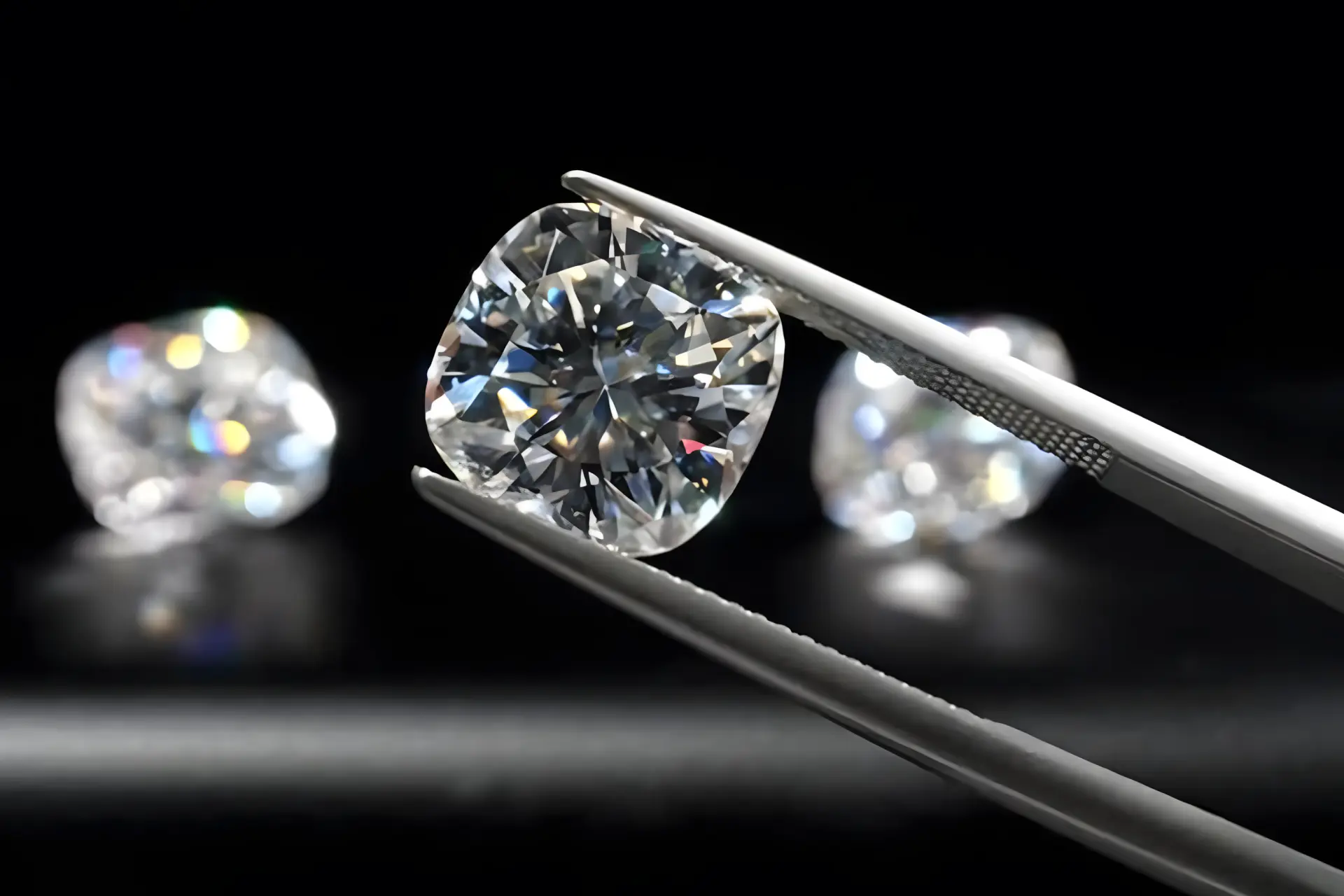
- Gemological quality: They examine the cut quality (learn more in our (Ultimate Guide to Diamond Cuts), color, clarity, and carat (the 4Cs of diamonds). For other gemstones, they look at luster, surface, shape, and color. They may use tools to determine whether the stones are natural, treated, or synthetic.
Methods of Jewelry Authentication: From Hallmarks to Gemstone Testing
Here are ways to Jewelry Authentication, from hallmarking to gemstone testing:
Hallmarking:
- What is it? Hallmarking is the official marking of jewelry made of precious metals such as gold, silver, and platinum. These marks indicate the metal’s carat and purity, the manufacturer, and sometimes the year of manufacture.
- How does it work? The jewelry piece is stamped with one or more small stamps bearing specific symbols and numbers.
- Importance: Hallmarking is a guarantee of the quality and purity of the metal and helps consumers be certain of the value of what they are purchasing.
Gemstone Testing:
- Color and Clarity: Natural gemstones often contain minor natural inclusions and flaws, while synthetic gemstones may appear flawless. However, there are also highly pure natural gemstones. Color and distribution must be carefully examined.
- Cut and Symmetry: The cut of a gemstone should be symmetrical and reflect light well.
- Lusterity: Natural gemstones have a distinctive luster that varies depending on the type of stone.
- Hardness: Some simple hardness tests can provide indications (such as scratching glass with a diamond).
- Fog Test (for Diamonds): Sapphire on a real diamond causes fog that quickly disappears, while fog on imitation stones takes longer to disappear.
Common Issues in Jewelry Authentication and How to Avoid Them
Jewelry authentication faces many problems and challenges, especially with the advancement of counterfeiting techniques and the increasing supply of antique and resale jewelry. Here are some common problems and how to avoid them:
Common Problems:
- Difficulty identifying trademarks and signatures: Designer and brand signatures may change over time, be blurred, or be fake.
- Overlapping styles and designs: It can be difficult to distinguish between an authentic piece from a particular period and one inspired by or imitated.
- Changes in the condition of jewelry over time: Wear, damage, and repairs can alter the appearance of jewelry, making it difficult to determine its authenticity.
- Use of imitation materials: Fake metals and gemstones are used to appear similar to the original, requiring specialized expertise and tools to detect.
- Deliberate falsification of certificates and documents: Certificates of origin and appraisal can be forged to increase the value of a fake piece of jewelry.
How to avoid Jewelry Authentication problems:
- Buy from trusted sources: Deal with reputable, certified jewelers with a history of integrity and transparency.
- Examine the trademarks and hallmarks: Look for hallmarks that indicate the caliber of the metal and the manufacturer or designer. Check the accuracy and quality of these marks.
- Check the craftsmanship: Carefully examine the jewelry for any manufacturing defects, such as rough edges, loose stone setting, or asymmetrical design.
- Check the weight and density of the metal: Precious metals have specific weights and densities. An unusually light weight could indicate that the piece is plated or made of cheap materials. (The magnet test can be used for non-precious metals such as iron and nickel.)
- Examine the gemstones: Request certificates of authenticity for gemstones from accredited laboratories such as GIA or AGS. Examine the stones for any signs of blemishes or undisclosed treatment.
- Request a certificate of authenticity and appraisal: When purchasing valuable jewelry, request a detailed certificate of authenticity from the seller that includes a thorough description of the piece, its components, and its history, if possible. Get an independent appraisal from a certified appraiser.
The Role of Technology in Jewelry Authentication: Advancements and Challenges
Technology is playing an increasingly important role in jewelry authentication, providing innovative solutions to ensure the authenticity and value of these precious collectibles. Here are some key aspects of technology’s role in this field:
- Blockchain technology: This technology can be used to track the journey of raw materials used in jewelry, such as gold and diamonds, from the mine to the final product. This provides a permanent and immutable record, increasing transparency and helping prevent the circulation of unethical or counterfeit jewelry.
- Spectroscopy: This technology is used to analyze the interaction of light with gemstones, as each gemstone absorbs certain wavelengths and transmits others. This produces a unique “spectral fingerprint” for each stone, which helps determine its type, quality, and whether it is natural or treated.
- Pattern recognition: Artificial intelligence and pattern recognition algorithms can be used to analyze images and other data of gemstones and compare them to extensive databases to accurately determine their identity and characteristics.
Expert Tips for Authenticating Vintage and Antique Jewelry
- Hallmarks: Look for hallmarks that indicate the country of origin, maker, and purity of the metal (such as the karat of gold or silver). You may need a magnifying glass to clearly examine these hallmarks. Hallmarks vary across eras and countries, so knowing these hallmarks is crucial.
- Design Style: Learn about the different artistic and design styles that were popular in different time periods (such as Art Deco, Victorian, and Edwardian). The design of the piece should match the prevailing style of the time period to which it is claimed to belong.
- Materials: Examine the materials used. Do the gemstones and metals match what was popular in that period? For example, some modern types of pieces may not be found in antique jewelry.
- Craft Quality: Antique pieces showcase expert craftsmanship, like hand-engraved details absent in mass-produced modern jewelry.. Look for signs of handcrafting, such as slight asymmetry or unique details not found in modern mass production.
- Magnet Test: Precious metals such as gold, silver, and platinum are not attracted to magnets. If a piece of jewelry is attracted to a magnet, it is likely not made of precious metals or contains other metals. Acid Testing (best left to an expert): Special acids can be used to test the purity of precious metals. Acids react differently with different karats of gold and silver. This test should be performed by an expert to avoid damaging the piece.
- Density Testing (best left to an expert): Precious metals have a certain density. The density of a piece of jewelry can be measured and compared to the known density of the original metal.
- Seller History and Reputation: Buy from trusted sellers who specialize in antique and vintage jewelry. Check their reputation and ratings.
- Accompanying Documentation: If the piece comes with any documentation such as certificates of origin or previous appraisals, examine them carefully and verify their authenticity.
- Search for Similar Pieces: Try searching for similar pieces of jewelry online, in museums, or in antique jewelry books to verify style, materials, and hallmarks.
Jewelry authentication is the process of verifying the authenticity and quality of a piece of jewelry. This process is essential to protect buyers from fake or counterfeit jewelry and ensure they get value for their money.


 My Account
 Find a Boutique