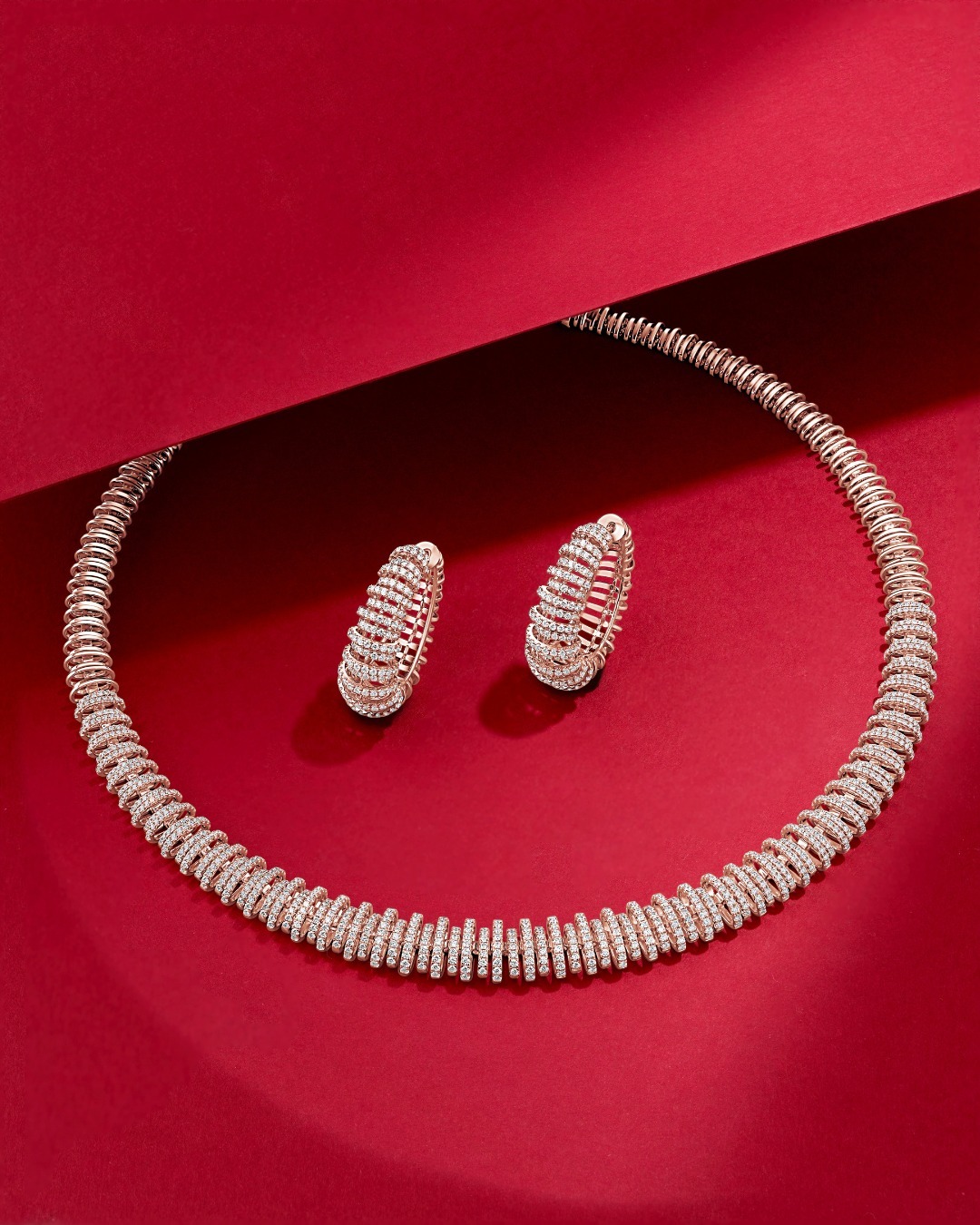
Buying gold at Eid splits into two quite different decisions: gold as a store of value, and gold as something worn. Bars and coins serve the first, jewellery serves the second, and the buying rules are not the same. This guide covers which to choose, how karat and hallmarks work, what actually moves the price, and how to avoid the timing mistakes that catch most buyers in the last week.
Bars and coins, or jewellery
Decide this first, because it changes everything that follows. A bar or coin is priced almost entirely on weight and purity, carries little or no making charge, and is the cleaner option if the intent is to hold value. It is also the wrong gift for someone who wanted something to wear.
Jewellery carries a making charge on top of the metal value, covering design and craftsmanship. That charge is not waste, it is what you are buying, but it does mean a piece will not resell at its purchase price. If the gift is meant to be worn and remembered, that is the correct trade. If it is meant to sit in a safe, a bar does the job with less friction.
A practical middle route many families take at Eid: a simple, higher-karat piece with a clear weight. It is wearable, and its value stays legible because the metal dominates the price rather than the design.
Karat decides colour, hardness and value
The karat number tells you the gold content, and it drives three things at once. Higher karat means more pure gold, a deeper and warmer colour, and better value retention by weight. It also means a softer metal that scratches and bends more easily.
That trade-off decides the right choice for the piece. For a plain chain or bangle bought partly for its value, 21k is the Gulf default and holds value well. For anything set with stones, or a ring worn daily, 18k is the harder alloy and holds stones more securely. Buying 22k for a stone-set ring worn every day is a common and avoidable mistake.
| Karat | Pure gold | Hallmark | Best for |
|---|---|---|---|
| 24k | 99.9% | 999 | Bars and coins, not daily wear |
| 22k | 91.6% | 916 | Traditional pieces, value by weight |
| 21k | 87.5% | 875 | The Gulf default for plain pieces |
| 18k | 75.0% | 750 | Stone settings, everyday wear |
Check the hallmark before you pay
The hallmark is the simplest verification available to you and it needs no expertise. Every properly marked piece carries a stamp giving its gold content: 999 for 24k, 916 for 22k, 875 for 21k, 750 for 18k. Look for it on the clasp of a necklace, the inner face of a ring, or near the end of a bangle.
Then check that the stamp matches what the invoice says. The invoice should state weight and karat separately rather than a single total, because that is what lets you compare offers and what any future valuation will rely on. A piece with no clear hallmark is worth questioning before the transaction, not after.
What actually moves the price
Three components, and only one of them is negotiable. The global gold rate sets the base and changes daily. Weight multiplies it. The making charge covers craftsmanship and varies between pieces and between sellers, and it is the part where two similar-looking items diverge in price.
This is why a heavier piece in a lower karat can cost the same as a lighter piece in a higher karat, and why comparing two pieces on their sticker price alone tells you very little. Ask for weight, karat and making charge as separate numbers, and the comparison becomes straightforward.
Timing, and the question everyone asks
Gold does not reliably get cheaper at Eid. The global rate is set by international markets and is indifferent to the local calendar. What does change locally is demand: the final days before Eid are the busiest of the year, which affects selection, waiting times and sometimes the flexibility you get on making charges, but not the underlying metal price.
The practical consequence is about availability rather than savings. Buy in the last few days and you get a thinner selection, longer queues, and little time for engraving or resizing. Buying earlier in the month gets you a better choice at essentially the same metal cost.
Choosing a piece as a gift
If the gold is a gift rather than a purchase for yourself, two rules save most of the trouble. Choose a piece that needs no size, so a necklace, pendant or earrings rather than a ring or a solid bangle. And match the metal tone she actually wears daily rather than the one you prefer, because a piece in the wrong tone tends to stay unworn regardless of its value.
Beyond that, a simple higher-karat piece with visible weight suits the traditional meaning of an Eid gift better than a small, heavily detailed piece at the same price, because the value is legible. Our Omnia pieces suit daily wear, while Horoof letter pendants make the gift specific to the person and solve the sizing problem at the same time.
Buying for children at Eid
Gold for children is a long-standing Eid tradition, and the practical guidance is different from adult pieces. Buy the part that lasts: a pendant survives childhood because only the chain gets outgrown, while a bangle sized to a small child is unwearable within a couple of years.
Check the fastenings rather than the design. Screw-back earrings hold more securely than push-backs, clasps should be smooth and secure, and there should be no small applied parts that could come loose. An engraved keepsake with a date is the piece most likely to still matter in fifteen years.
After you buy
Keep the invoice and any certificate together, and photograph the piece. For anything stone-set, ask whether the seller offers inspection and cleaning, and what it costs, because settings loosen gradually with wear and a check catches that before a stone is lost.
Storage is simple and mostly ignored: keep pieces separate so chains do not tangle and harder stones do not scratch softer metal. Remove gold before swimming, before cleaning products and before the gym. Warm water, mild soap and a soft brush is the safe cleaning method.
Buying online against buying in person
Pieces that need no size travel well: necklaces, pendants and earrings can be bought online with little risk. Rings and solid bangles are different, because a size guessed from a chart is the most common reason a gift needs a second trip.
If the piece needs engraving, seeing it in person also lets you check the placement and depth before it is cut, which cannot be undone afterwards. Whichever route you take, confirm the invoice states weight, karat and making charge separately, since that is what any later valuation relies on.
| Buyer question | Covered by the pages ranking now? |
|---|---|
| Bars or jewellery, and why it matters | Yes, all 4 |
| How to check the hallmark | No section, none of the 4 |
| What a making charge is | No section, none of the 4 |
| Whether gold is cheaper at Eid | No section, none of the 4 |
We compared the section structure of the 4 pages ranking for this term in Saudi Arabia (August 2026). The table shows which questions they give a section to. What they leave out is what the sections above cover.
Before buying gold this Eid
- Decide first whether this is for wearing or for holding value.
- Find the hallmark and check it matches the invoice.
- Ask for weight, karat and making charge as separate numbers.
- Choose 18k for stone-set or daily-wear pieces, 21k for plain pieces.
- Buy earlier in the month for better selection at the same metal cost.
- For a gift, choose a piece that needs no size.
- Keep the invoice and ask about after-sale inspection for stone-set pieces.
Frequently asked questions
Does gold get cheaper at Eid?
Not reliably. The gold rate is set by international markets and does not follow the local calendar. What changes at Eid is demand, which affects selection, waiting times and sometimes flexibility on making charges, but not the underlying metal price. Buying earlier in the month usually gets you a better choice at much the same cost.
Should I buy a gold bar or gold jewellery?
A bar is priced almost entirely on weight and purity with little making charge, so it suits holding value. Jewellery carries a making charge for design and craftsmanship, so it will not resell at its purchase price, but it is the right choice if the piece is meant to be worn.
Which karat should I buy?
21k is the Gulf default for plain pieces and holds value well by weight. 18k is harder and holds stones more securely, so it suits stone-set pieces and rings worn daily. 24k is too soft for jewellery and belongs in bars and coins.
How do I check the gold is genuine?
Look for the hallmark stamped on the piece: 999 for 24k, 916 for 22k, 875 for 21k, 750 for 18k. It is usually on the clasp, the inner face of a ring, or near the end of a bangle. Confirm the stamp matches the karat stated on your invoice, and treat a piece with no clear hallmark as a question to raise before paying.
What is a making charge?
It is the cost of design and craftsmanship, added on top of the metal value. It varies between pieces and between sellers, and it is the main reason two items of similar weight and karat can differ in price. Asking for it as a separate number makes comparing offers much easier.
What is the best gold gift for a wife?
A piece she can wear daily, in the metal tone she already favours, and one that needs no size. A necklace or pendant is the safest choice for that reason. A simple higher-karat piece with clear weight also carries the traditional meaning of an Eid gift better than a small heavily detailed piece at the same price.



 Contact Us
 My Account
 Find a Boutique